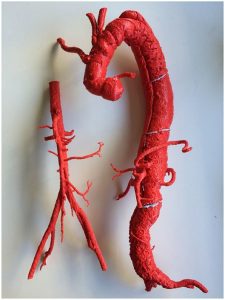

3D-Printed Aortic Arch Aneurysm

Literally close to our hearts is the 3D-printing of aortic models — today’s ABC News cracks open the chest and shines the operating light on the life-saving power of 3D-printing in Vascular and Cardiac Surgery. Huge congratulations to Dr Sam Peden and our friends at the Herston Biofabrication team in Brisbane for ther vital role in lubricating this surgery and making it flow smoothly.

As we have described before, 3D-Printed anatomical models can serve as surgical blueprints, and for complex cases like aortic arch aneurysms, thye help surgeons map out every tortuous twist and turn, simulate stent-graft deployment under fluoroscopy, and anticipate potential problems well before stepping foot into the operating room.
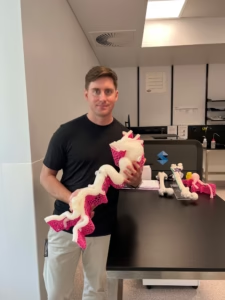
Herston Biofabrication Technician Liam Georgeson with a 3D-Printed Aortic Flow Model.

In this case, the patient presented with a large 8cm aortic arch aneurysm involving the descending thoracic aorta, or what we would describe as a combined aortic arch and Extent I thoracoabdominal aortic aneurysm. In addition the patient appears to have an infrarenal abdominal aortic aneurysm arising from an aortic dissection. For patients like this, the pressure is on to repair them due to the ongoing risk of rupture.

Treatment options here are anything but straightforward. Surgeons consider staged open repair of either the entire or hemi-arch and descending thoracic component (under deep hypothermic cardiac arrest to buy time to re-implant the cerebral vessels and operate on the ascending aorta) with the infrarenal aneurysm to be treated later if required; full-length open reconstruction with multivisceral reimplantation; complex endovascular approaches with cervical debranching and custom branched or fenestrated stent-grafts. 3D-printing helps them choose their plumbing strategy with precision.

We’re thrilled to see this technology helping surgical teams operate seamlessly. Great work by this team in Brisbane, and here’s to a future where 3D-printing is available in every hospital!

Read the whole story at the ABC News Website, and please excuse the puns.
3D-Printed Jaws at Chris O’Brien Lifehouse

Jaws the Revenge (1987) – The Queens of Geekdom

No, we aren’t talking about the movie, but it is great to see more hospital-based 3d-printing facilities including this team at Chris O’Brien Lifehouse, featured in Nine News.

These projects, which have been underway for quite a long time at multiple centres, are key to innovating and solving clinical problems as they arise; maximising clinician input and involvement in biomedical engineering and device development.

Collaborating Across the Country: 3D-Printing in Cardiothoracic Surgery

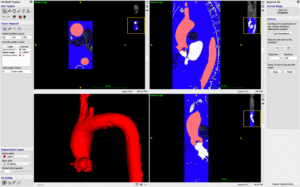
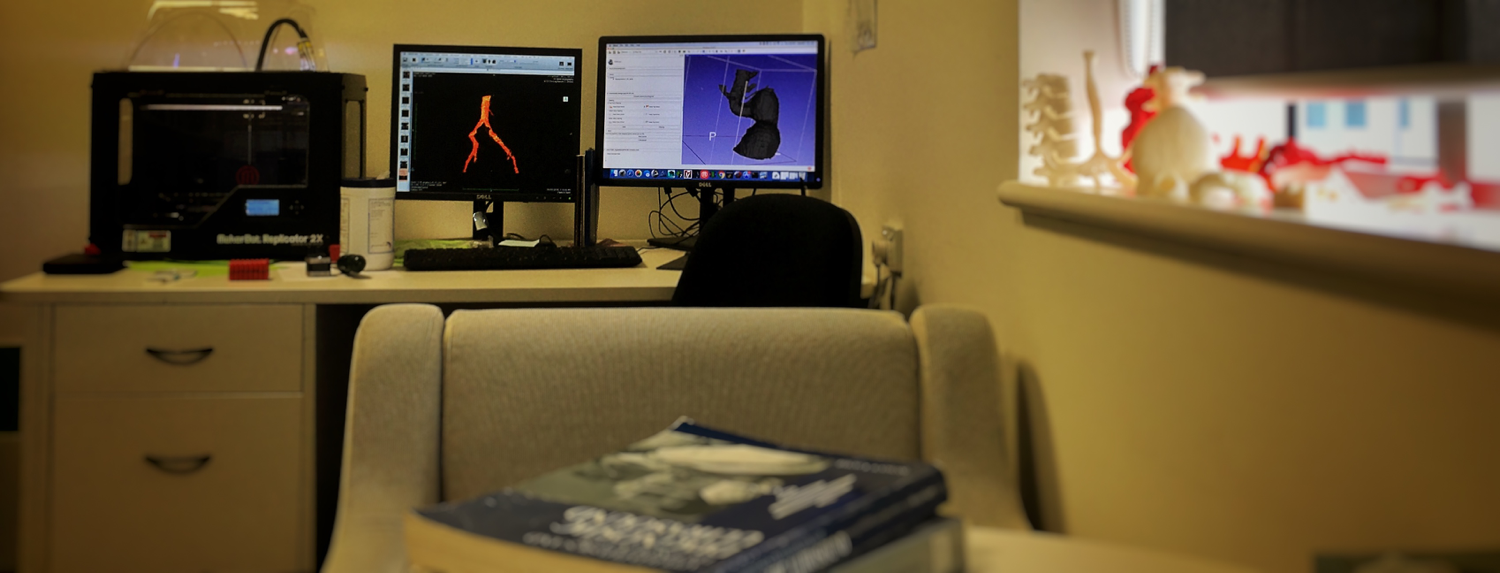
Normal aorta being segmented with ITK-SNAP.

We’re excited to share a new collaborative publication in Cureus: Three-Dimensional Printing in Cardiothoracic Surgery: Workflow and Clinical Applications.

This paper by Dr Charles Jenkinson in Perth and supported by our team, outlines a streamlined workflow for implementing 3D printing in cardiothoracic surgery. It highlights practical clinical applications from aortic pathology to congenital heart disease, where patient-specific models can enhance surgical planning, simulation, and team communication.

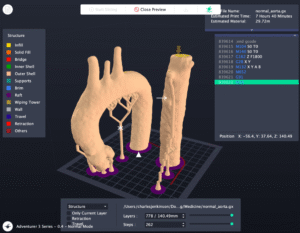
Normal aortic model being prepared for 3d Printing (FlashPrint)

We’re proud to contribute to the growing body of cross-disciplinary research making advanced technologies more accessible and impactful in real-world clinical settings.

Read the full article: https://www.cureus.com/articles/375291

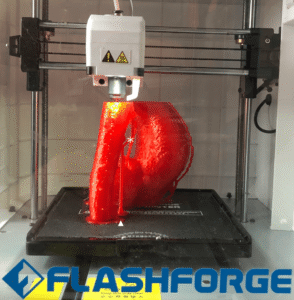
An aneurysmal ascending aortic model being 3D-printed. (PLA, Flashforge Adventurer 3 FDM)

ARC CMIT 2024 Symposium

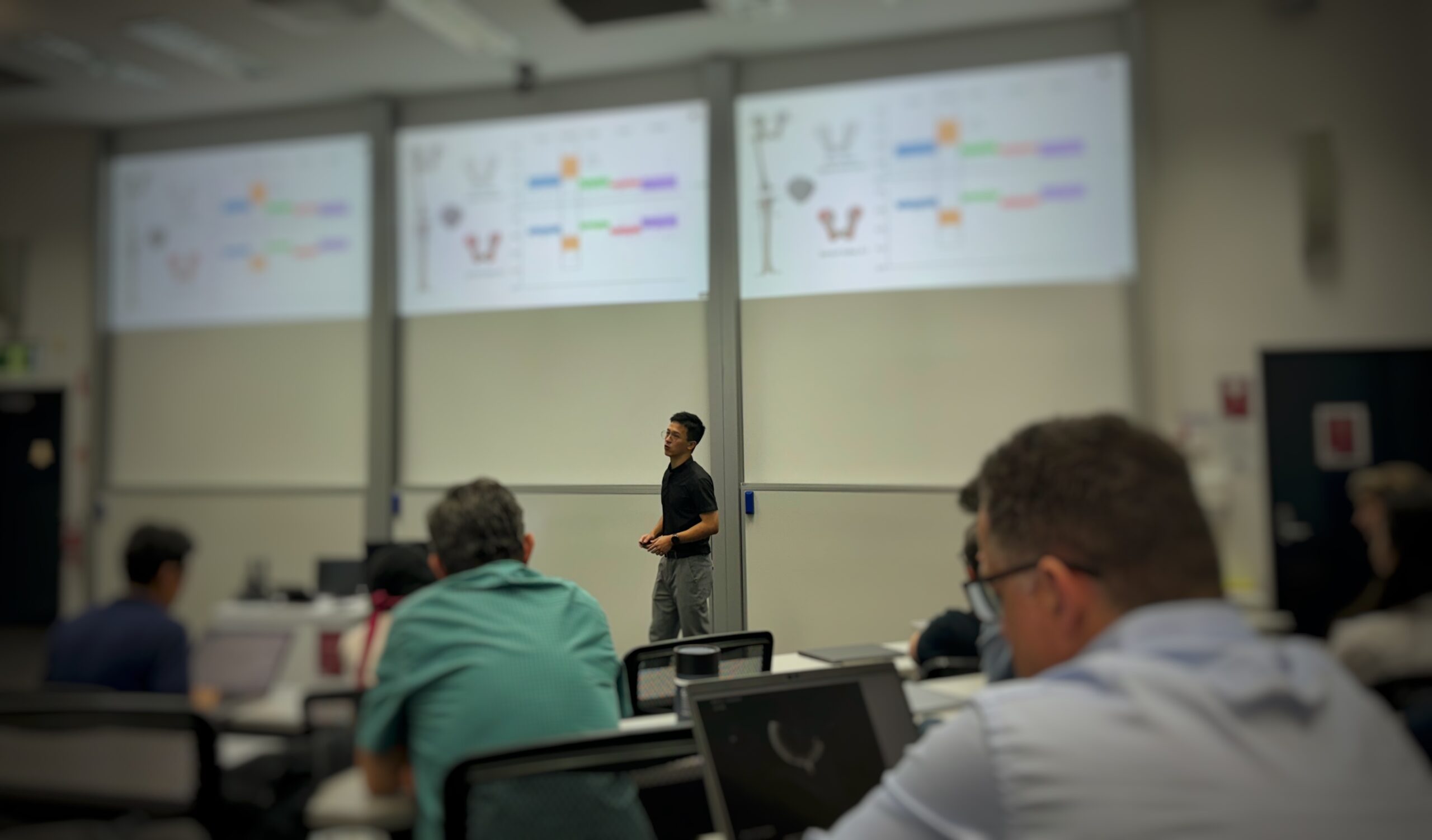
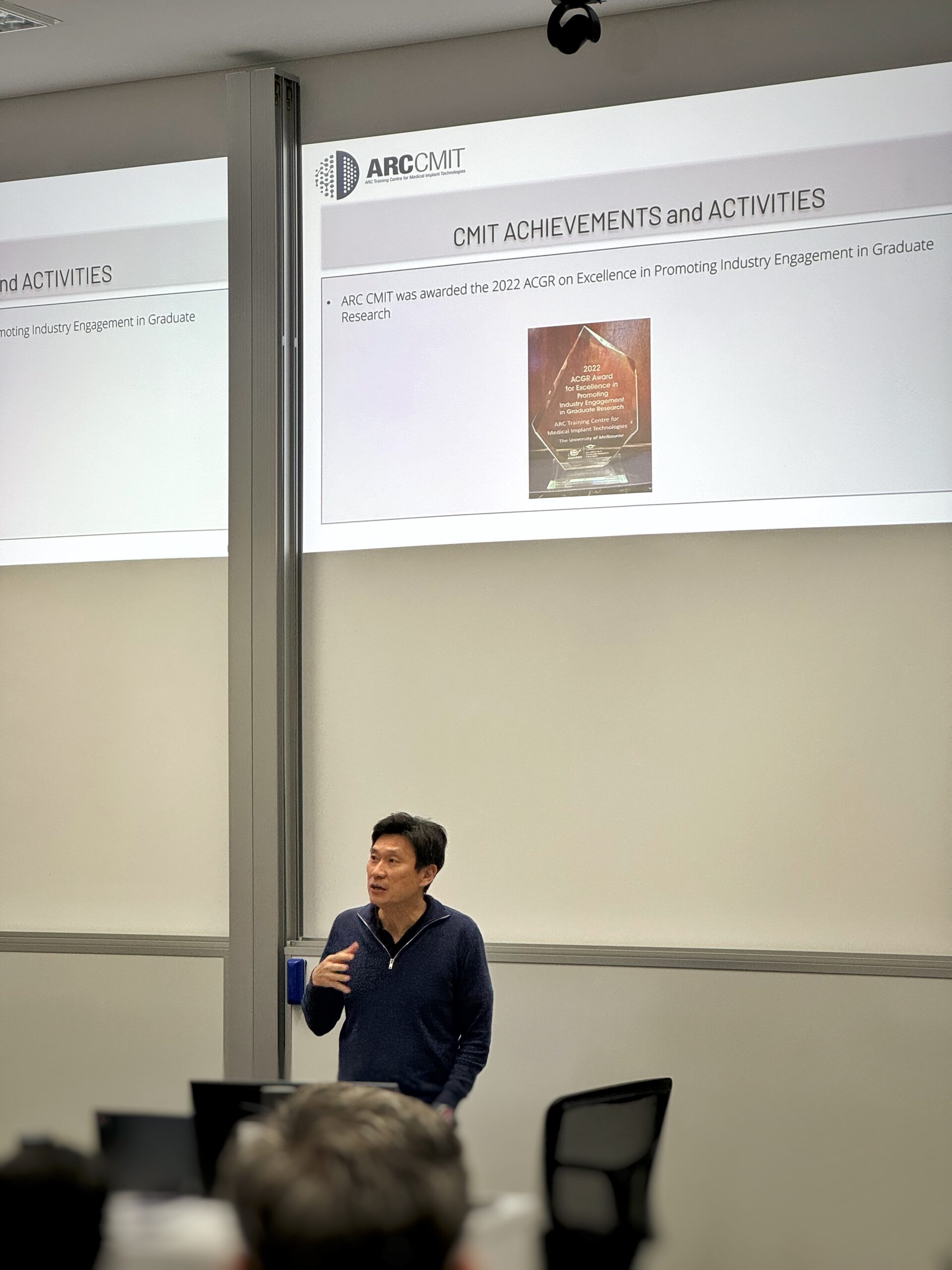
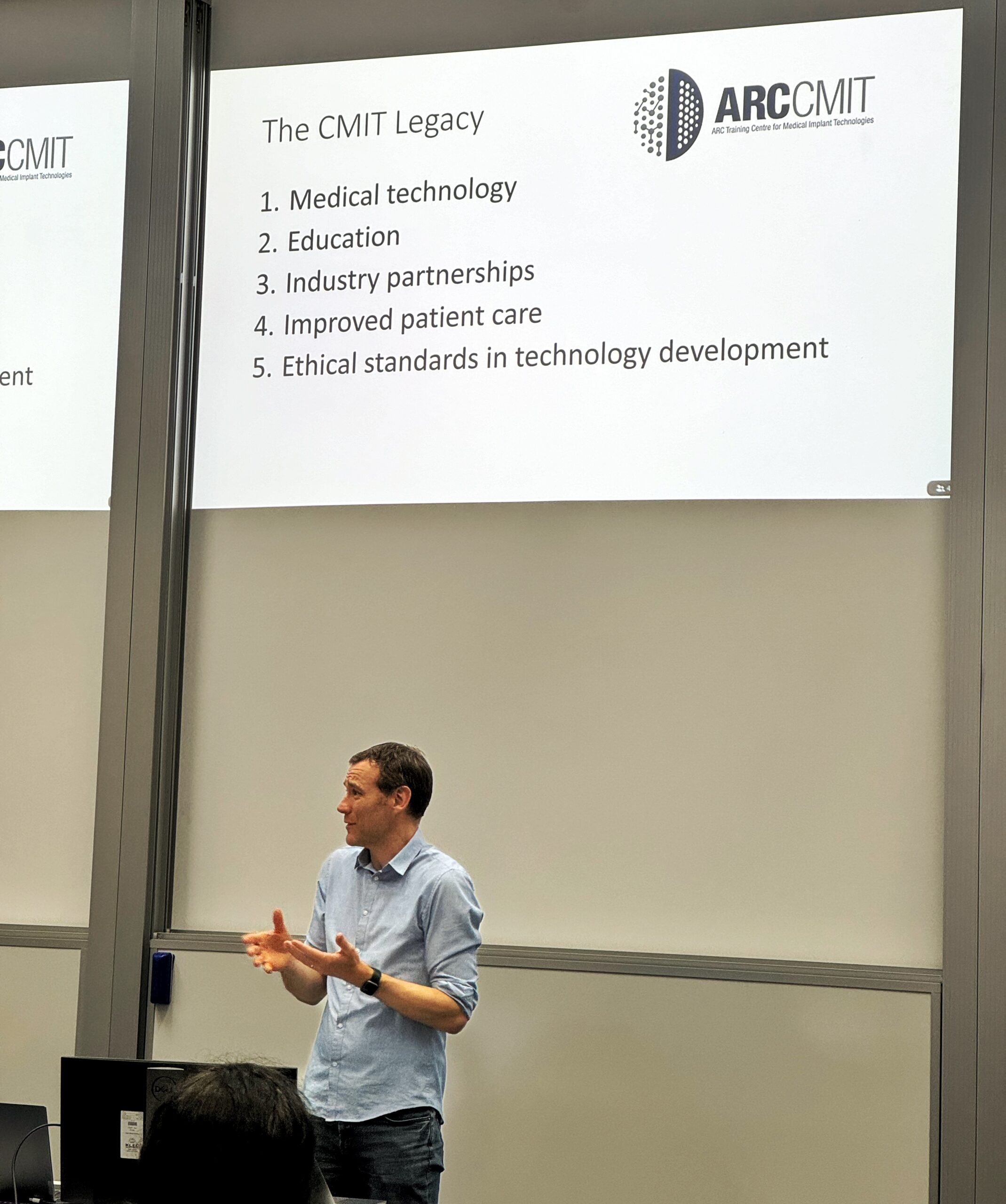
The 2024 ARC Center for Medical Implant Technologies Symposium was held today, hosted by Prof Peter VS Lee and A/Prof David Ackland of The University of Melbourne. The diverse range of biomedical engineering PhD projects fostered by CMIT across all of its university and industry partners exemplifies the value of this collaboration and the multidisciplinary approach to research and innovation. 3dMedLab has been delighted to be a key member of this centre.

Int J Rheum Dis: Lipoprotein (a) related accelerated atherosclerosis in a young patient: An important differential when considering Takayasu arteritis

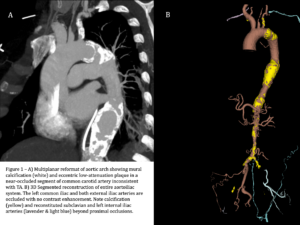
Not all of our work involves 3D Printing! In this paper on the differential diagnosis of Lipoprotein (a) atherosclerosis vs Takayasu’s arteritis, 3D Modelling helped visualise the pathology and preparation of the manuscript.

In many cases the standard, templated 3D Volume Rendered (3DVR) reconstructions from PACS and diagnostic radiology workstations do the job, but when you specifically want to highlight features or portray complex elements, then clinical and anatomical input is critical.

Congratulations Dr Harris on this paper and we look forward to more collaborations like this!

Happy New Year 2022!

Yet again another New Year has rolled around and after the dumpster fire of 2021 we are unfortunately facing another COVID wave, major stress on our health system, and disruption to normal activities.

The past year has been full of twists and turns, and it is fair to say that like many other labs we have been frustrated by the impact of the COVID pandemic. Nevertheless we will forge ahead with plans for 2022 that you will all be excited to hear about when the time comes!

Happy New Year 2022

ImageHappy New Year 2022 by Marco Verch under Creative Commons 2.0

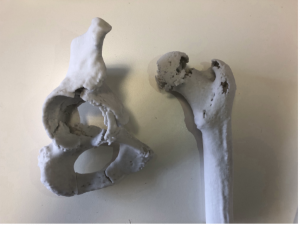
Frontiers in Surgery: 3D Printed Patient-Specific Complex Hip Arthroplasty Models Streamline the Preoperative Surgical Workflow

Our latest publication in Frontiers in Surgery outline our experience in utilising 3D models to improve surgical planning and logistics for patients undergoing complex total hip arthroplasty. A great effort by 3dMedLab students Michael Jiang and Gordon Chen, Jasamine Coles-Black, and Austin Health orthopaedic surgeon Matthew Alexander. You can read the full article here.

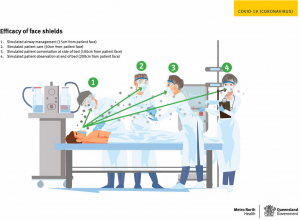
Medical Journal of Australia: Evaluating the safety and effectiveness of novel personal protective equipment during the COVID‐19 pandemic

We love collaboration — especially when our own Dr Jasamine Coles-Black and A/Prof Jason Chuen work with amazing people like Mathilde Desselle, Dr Marianne Kirrane, Dr Ian Chao, Prof Mia Woodruff and A/Prof Clair Sullivan!

You can check out this paper outlining techniques to evaluate personal protective equipment (PPE) during the COVID-19 pandemic, which brings together researchers from:

  • Austin Health
  • Eastern Health Victoria
  • Royal Brisbane and Women’s Hospital
  • Princess Alexandra Hospital
  • Austin 3dMedLab
  • Herston Biofabrication Institute
  • The University of Melbourne
  • Queensland University of Technology
  • The University of Queensland
  • Metro North Hospital and Health Service Queensland